
Table of Contents
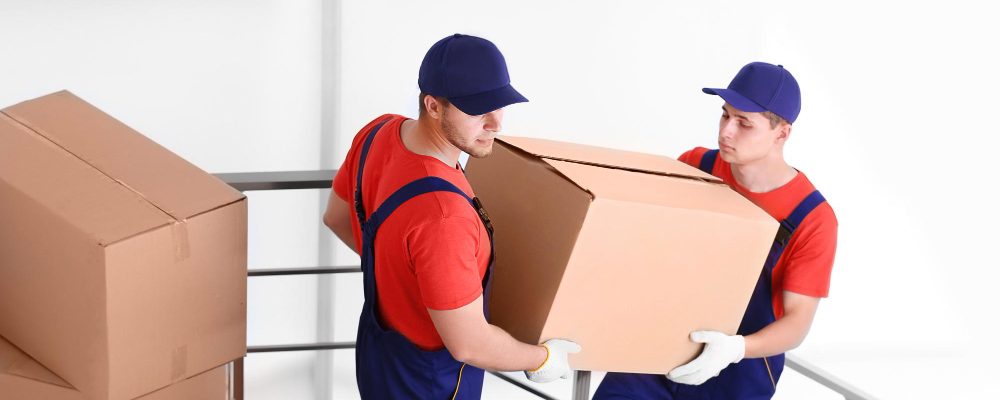
Kinetic lifting is a specialised, popular approach to moving heavy items with ease through high-velocity impacts.
In our homes and workplaces, lifting and carrying heavy objects is common, but without the correct method, it can lead to serious physical strain or long-term damage. While there are various ways to do this job safely, kinetic lifting is a common and more effective method for handling heavy objects. It focuses on proper body positioning, controlled movement, and the use of stronger muscle groups to handle loads efficiently. By applying the correct technique, individuals can move heavy objects with greater ease, stability, and safety. This blog post will explore what kinetic lifting is, how it works, and why it is widely used in removals, logistics, and manual handling tasks.
What Is Kinetic Lifting?
Kinetic lifting is a specialised manual handling technique for heavy objects. This technique is used to safely and securely lift, move, and transport items, reducing the risk of injury. In this technique, you use your muscles and kinetic energy to lift the item rather than relying on levers or other tools and machinery. Kinetic lifting involves considering the object’s weight, the user’s physical strength, and proper body positioning before lifting. Lifters should use their legs, keeping their back straight, to reduce the risk of spinal injury. Furthermore, this method necessitates the lifter to utilize their arms as a lever to maintain balance and stability while lifting.
How to Lift Heavy Items with the Kinetic Lifting Technique
Handling heavy items requires significant technique, known as the kinetic lifting technique, to ensure they are moved safely and securely. Here’s a step-by-step guide to applying kinetic lifting correctly.
Assess the Item
First, check your item’s weight to determine whether you can safely handle or lift it on your own. You can evaluate by:
- lifting a corner of the item to check its full weight.
- Kneeling in front of the item and gently sliding it from side to side.
Take time to assess the object, especially a fragile one, and ask another person for help to ensure safe, careful lifting.
Clear the Path
Before you start lifting and moving the object, check that your route is clear. Also consider how far you have to carry the object without getting caught in a chaotic mess. If you are moving the object up or down stairs, go with the path of least resistance. Clear all the obstructions out of the way to minimise the risk of a fall.
Take the Right Position
Positioning yourself correctly is important to avoid any injury. Stand near the object with your feet shoulder-width apart and maintain a straight spine for balance and stability base. Make a stable footing to avoid falling or slipping.
Squat Down
Use your body’s strongest muscles for heavy lifting rather than your weaker back muscles to maximise power and reduce the risk of injury. Avoid bending at the waist; bend your knees, keep your back straight and chest upright, and position yourself over the object to engage your leg muscles effectively.
Lift with Legs
Your legs are significantly stronger than your back, making them ideal for lifting. To lift the heavy object, use your leg muscles and push up rather than pull with your back. You can avoid jerking your body and twisting by keeping your back straight.
Maintain Balance and Move
When you have lifted the object, keep the load between your waist and shoulders to maintain balance. Take small steps as you start moving and keep your movement flowing smoothly. If you have to go up or down stairs, take a moment to stop and set your item down to avoid the risk of dropping it.
Set Down Safely
Once the object is in the desired position, use the same method as before to lift it to ensure a smooth transition. Keep the object in front of you, bend your knees, and squat down to place it on the surface with both hands until it is safely down. Ensure you maintain proper alignment of your back and neck.
Using this kinetic lifting technique, you can move heavy objects safely and effectively, reducing the risk of injury. Always evaluate the weight of the item prior to lifting and ask for help if necessary.
What Are the Risks Associated with Heavy Lifting?
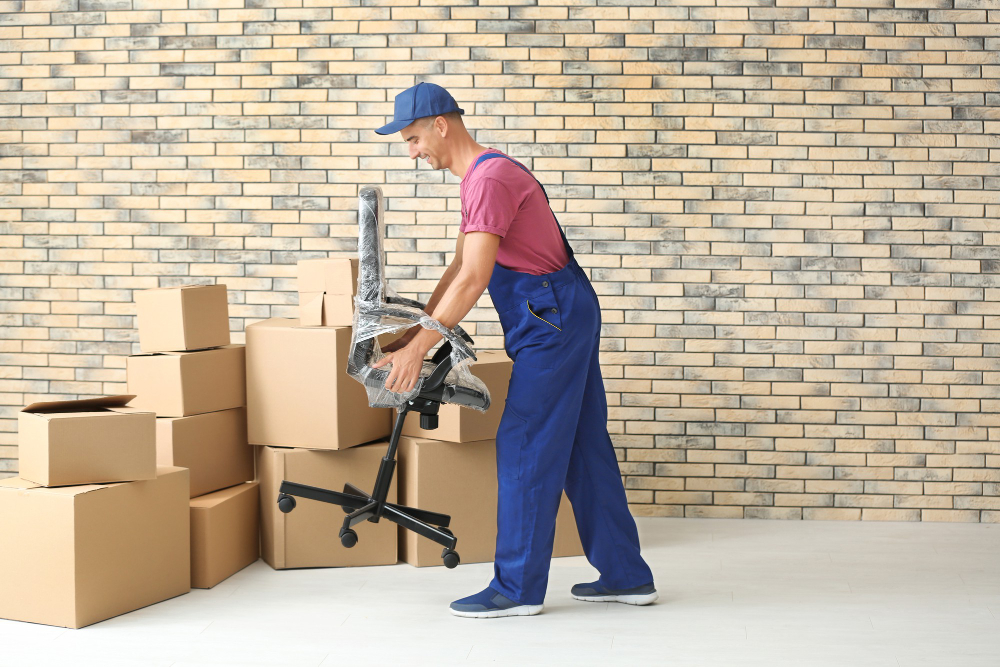
Even with good intentions, many people make unnecessary mistakes when lifting heavy objects items. It can pose risks of serious physical injuries. Improper lifting techniques can cause various injuries, some with lasting effects. Below are some common injuries resulting from lifting heavy objects:
- Spinal damage and disc injuries
- Muscle strains and ligament tears
- Tendinitis from repetitive strain
- Knee injuries due to improper posture
- Back and elbow injuries
These risks highlight the importance of using proper techniques such as kinetic lifting to ensure safety during manual handling tasks.
What Are the Benefits of Kinetic Lifting?
Kinetic lifting is an effective method that offers a range of benefits for removals. This technique is not only effective in keeping you safe but also in protecting your financial interests health. It can help you move the heaviest item with ease by using special equipment and expert lifting techniques.
One of the key advantages of kinetic lifting is safety. It is an efficient, convenient way to lift and shift the heaviest items while reducing damage to the items and surrounding areas. You can minimise the risks of liabilities and incidents by moving objects with care and attention.
Another advantage of heavy item removals using kinetic lifting is its versatility. This technique is used for a wide range of items, including furniture, heavy machinery, and even an entire building. With kinetic lifting, you will not require specialist disassembly, helping you minimise the time and cost of the removal process.
Conclusion
When lifting and shifting heavy objects, the kinetic lifting technique is more effective for manoeuvring them. Using a specialised kinetic lifting approach helps you ensure that your move is carried out safely and with ease. Assess the object before lifting and keep it close to your body. Ask for help if handling it is unsafe alone. It is always better to stay safe rather than suffer any loss or injury.
If you are looking for help moving heavy objects in your home or office, contact JH Removal. Our team of experienced movers will handle your belongings safely and efficiently items.